

I wanted to understand what my online gaming habits really looked like, without guesswork and selective memory https://icecasino-win.cz/en-nz/. So, I began an experiment. For a 90-day period, I recorded every single session I participated in at Ice Casino. I tracked the duration, the game, my bankroll, and the outcomes. This report isn’t about a legendary jackpot or a tragic loss. It’s focused on the ordinary patterns, the platform’s functionality, and the real experience of consistent play from my home in New Zealand. My goal is to cut through the promotional talk and offer other players a genuine benchmark, constructed from steady, recorded data. Here’s what I discovered, from the games that kept me engaged to the sobering reality math of controlling a bankroll.
How I Began Tracking My Casino Play
I initiated this log out of simple curiosity and a need for some individual accountability. My gaming history was just a collection of hazy memories—a big win here, a frustrating loss there. I had no actual idea of my overall performance, how much time I was investing, or where my money was actually going. Was my favorite game actually kind to me? How many hours disappeared on a typical Tuesday evening? Without numbers, I was just assuming. I picked Ice Casino for this project because its game library is huge and it has the features I like as a regular player. The tracking method was simple: a spreadsheet where I recorded the start and end time of each session, the exact game, my balance when I started and finished, and a quick note on how it felt. This simple act of writing things down transformed a casual hobby into a source of genuine insight. It removed the stories I told myself and revealed me the real rhythm of my play. It was about replacing anecdotes for evidence, which is the first step for anyone wanting to grasp their own behavior in a place designed for entertainment.
The Approach to My Three-Month Data Log
I established a clear tracking system to last the full 90 days. Every entry had to include the date and precise time, the game name and its provider (like “Book of Dead by Play’n GO”), the game type (slot, live blackjack, etc.), my bet size, the bankroll I set aside for that session, the final balance, and the net result. I also noted if I triggered any bonus features and the session’s mood—was it fun, tedious, or exciting? I used a strict loss limit and a monthly entertainment budget that was completely separate from my bills. This money was the cost of the experiment and the fun. All play was done from my New Zealand IP address, so my experience reflected local access, payment methods, and game availability. This strict approach yielded over 200 individual session logs. That dataset covered all times of day and days of the week, painting a comprehensive picture of my real-world play.
Breaking Down My Session Length and Frequency
The data showed some unexpected habits. My average session went on 38 minutes, but that number covers a lot. Short, 10-minute sessions were typical on weekdays, often on my phone. Weekend sessions, especially with live dealers, frequently extended past 90 minutes. I maintained an average of 4.2 sessions per week. The frequency jumped right after payday and then gradually decreased by the month’s end. One key finding was the “chasing” behavior. Sessions that followed a loss were, on average, 12 minutes longer and almost always less enjoyable. Seeing this in the numbers helped me recognize a behavioral trap I hadn’t fully admitted. On the other hand, sessions where I stuck to a pre-set time limit felt more controlled and satisfying, no matter the outcome. This analysis demonstrated that time discipline matters just as much as financial limits. It also showed that my most successful sessions weren’t the marathon ones, which challenges the idea that more time automatically means a better shot at winning.
Game Performance Analysis: Where Did I Spend My Time?
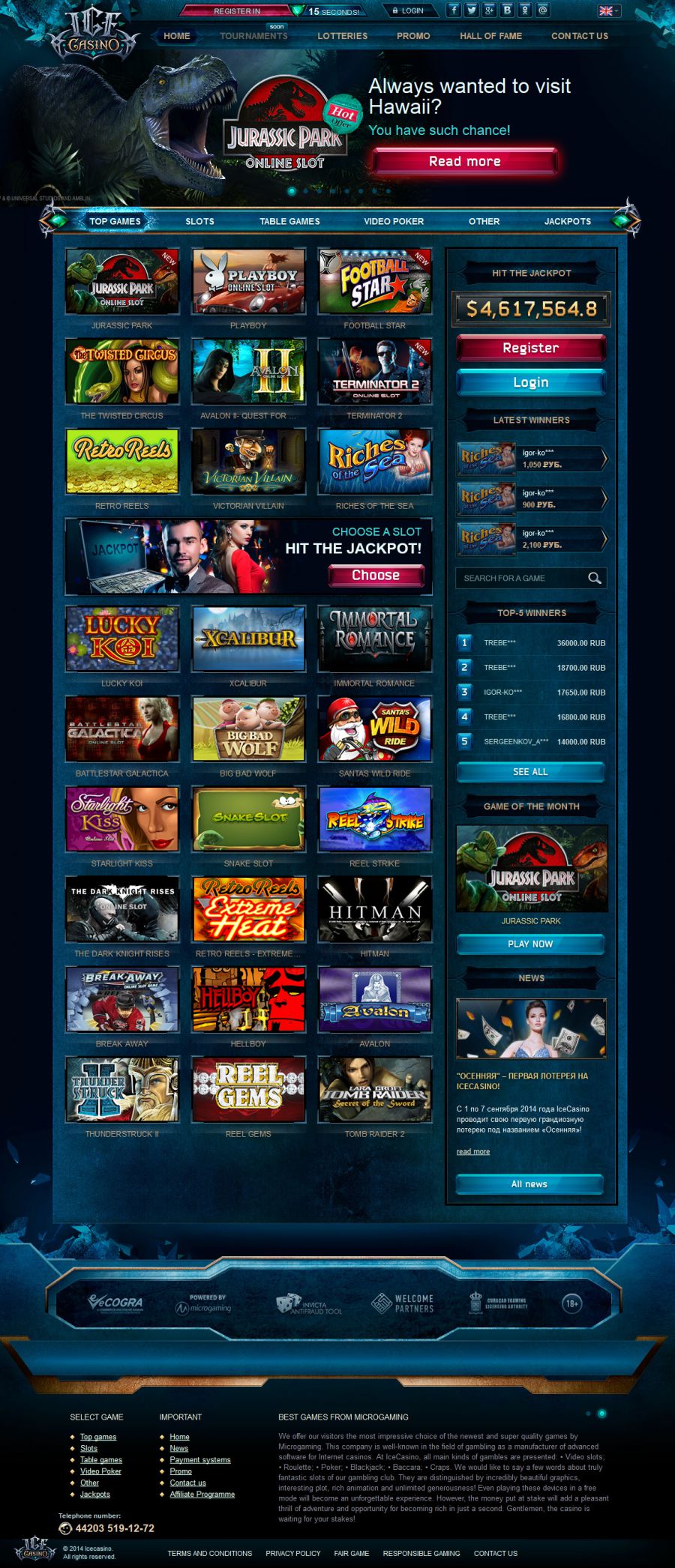
My time and money were distributed unevenly. Slots accounted for the bulk, eating up about 65% of my total session time. Within that segment, volatility determined my choices and outcomes. High-volatility options including “Sweet Bonanza” and “Gates of Olympus” yielded the biggest single payouts, but they also featured long, barren stretches with no action. That’s exactly their intended behavior. Mid-volatility offerings from providers like NetEnt provided more steady, smaller bursts of activity. Live casino games, mainly blackjack and roulette, comprised 30% of my time but demanded a larger average stake. The last 5% went to trying out new table games and features. The records clearly indicated my personal enjoyment reached its peak during live sessions and when slot bonus features activated, irrespective of the monetary result. That underscored the pure entertainment value. I also noted I stayed with games from certain providers longer, because of better gameplay and graphics, which is vital for sustaining interest.
Volatility and Wager Levels: A Crucial Relationship
Looking closer at the money, the link between game volatility and my bet size was clear. For high-volatility slots, I naturally dropped my per-spin bet. This was a sensible adjustment to endure the long stretches without a meaningful win and maintain my bankroll alive for a potential bonus round. For live blackjack, where each hand is instant and slightly skill-based, my average stake was nearly 50% higher. The data showed my bet size wasn’t fixed. It was a direct reaction to the assessed risk of the game. This flexible behavior was natural, but I noticed it plainly because I was logging everything. It points to a key bankroll approach: adjusting your stake to the game’s inherent volatility is a essential form of protection. It stops you from burning through cash on high-volatility slots and lets you to play more deliberately with games that deliver frequent, smaller outcomes.
The Fiscal Facts: Wins, Losses, and RTP Interpretation
When I finalized the books after three months, I was at a net loss. That corresponds with the statistical house edge built into every casino game. But the path wasn’t a straight line down. I had several profitable sessions big enough to make a withdrawal, particularly on high-volatility slots where a bonus round paid 200x or more. My overall Loss-to-Stake ratio matched the expected range for the mix of games I played. A major lesson was understanding the difference between session RTP (Return to Player) and long-term RTP. Any single session could feel “tight” or “loose,” but these short-term swings balanced out over the months, trending toward the game’s published average. This helped dispel the myth of “due” wins or permanent cold streaks. Every spin or hand is an independent event run by the Random Number Generator (RNG). Watching the mathematical expectation unfold over time was both humbling and strangely liberating.
Ice Casino’s Platform Functionality from a Typical User’s Standpoint
As a typical user, Ice Casino’s platform functioned well. Games started quickly on both my desktop and the mobile app, which I used for about 40% of my sessions. The layout is user-friendly, so logging in and finding my go-to games was always swift. This might seem small, but it was important for keeping my session logging disciplined. I never experienced annoying lag during live dealer streams. When I cashed out, the requests were completed within the advertised timeframes for my chosen methods. One area I believed could be better was the transaction history. It works, but my own custom log gave me far more detailed data for analysis than the standard account statement. For a player not running an experiment, though, the platform’s consistency and speed create a seamless experience. That’s crucial, because technical glitches only add annoyance to the natural ups and downs of the games.
Unexpected Behavioral Insights from the Data
The most useful discoveries were psychological. The log functioned like a mirror, showing me habits I hadn’t recognized I had. I saw a tendency to increase my bet size after a few quick losses—a classic “chasing” behavior that the data measured and helped me manage. After a big win, I was more prone to change to a lower-volatility game, automatically trying to safeguard my profit. The “just one more spin” impulse was evident in extended session times that almost never resulted in a comeback. Also, the act of tracking compelled me to establish an intention before playing: was this for 30 minutes of fun, or did I have a specific target? Just raising that question, triggered by the log, enhanced my sense of control and satisfaction significantly. The data was honest. It became a effective tool for self-regulation, proving my most enjoyable sessions were the ones I organized, not the ones I started out of boredom or a sudden impulse.
How This Information Altered My Playing Habits

With three months of evidence in hand, I implemented concrete changes. First, I began employing stricter, pre-set session timers based on my average “satisfying” session length. Second, I varied my game mix on purpose. I now assign part of my budget to longer, lower-stake live dealer sessions for the engagement they provide, instead of channeling most of my money into quick slot spins. Third, I embraced a “stop after a big bonus” rule for slots. The data showed that playing on after a major feature usually just chipped away at the win. Most importantly, I now view my monthly budget strictly as an entertainment cost, like buying tickets to a concert. The emotional rollercoaster has leveled out into a more consistent, enjoyable, and controlled pastime. That’s all thanks to the insights from the data. I also arrange play sessions now instead of jumping in spontaneously, which has drastically cut down on impulsive, poorly thought-out gaming.
Practical Advice for Players Thinking About Tracking
If you wish more understanding of your play, I strongly recommend trying a simple variation of this. You won’t require a elaborate spreadsheet. Just note the date, the game, the time spent, and the profit or loss for each session in a notes app on your phone. Look it over once a week. The goal is not to turn pro. It’s to turn into a conscious consumer of your own entertainment. Set a strict budget for a month, and adhere to it. Use the data to determine which games you truly enjoy the most, not just the ones you remember winning on. Pay attention to how your mood and the time of day relate to your session results. This self-audit is the one best tool for keeping control, gaining more enjoyment, and making sure your play stays a sustainable hobby. The numbers will tell you a story about your habits that your memory alone wouldn’t could. They give you an objective foundation for more intelligent, more responsible play.
Tracking my Ice Casino sessions for three months was more beneficial than any single win. The data converted vague feelings into clear patterns. It revealed me the mathematical truth of game volatility, the critical need for time management, and my own behavioral quirks. While the platform itself was reliable, the biggest benefit was personal. I built more disciplined, intentional, and frankly more enjoyable playing habits. For a player who pauses to think, this kind of self-analysis is an extremely useful practice. It turns casual play into a conscious form of entertainment, built on evidence instead of just emotion. The whole exercise validated that knowledge—even the self-knowledge you get from a simple log—is the most powerful thing you can take to the table.
